

Early Signs of Tooth Decay Most People Ignore
You reach for your morning chai, take a sip and feel a quick, sharp twinge in one tooth. Gone in a second. Easy to brush off. That tiny twinge is often how tooth decay introduces itself — not with drama, not with unbearable pain, just a subtle nudge that most of us ignore until it becomes something that can't be ignored.
The uncomfortable truth is that by the time you actually feel a cavity, it's usually past its earliest, easiest-to-treat stage. Tooth decay is one of the most common dental conditions in the world — and in a city like Hyderabad, where chai, filter coffee, and mithai are part of daily life, our teeth are doing a lot of work every single day. So let's talk about the signs that show up early, before the filling, before the root canal, before the emergency appointment.
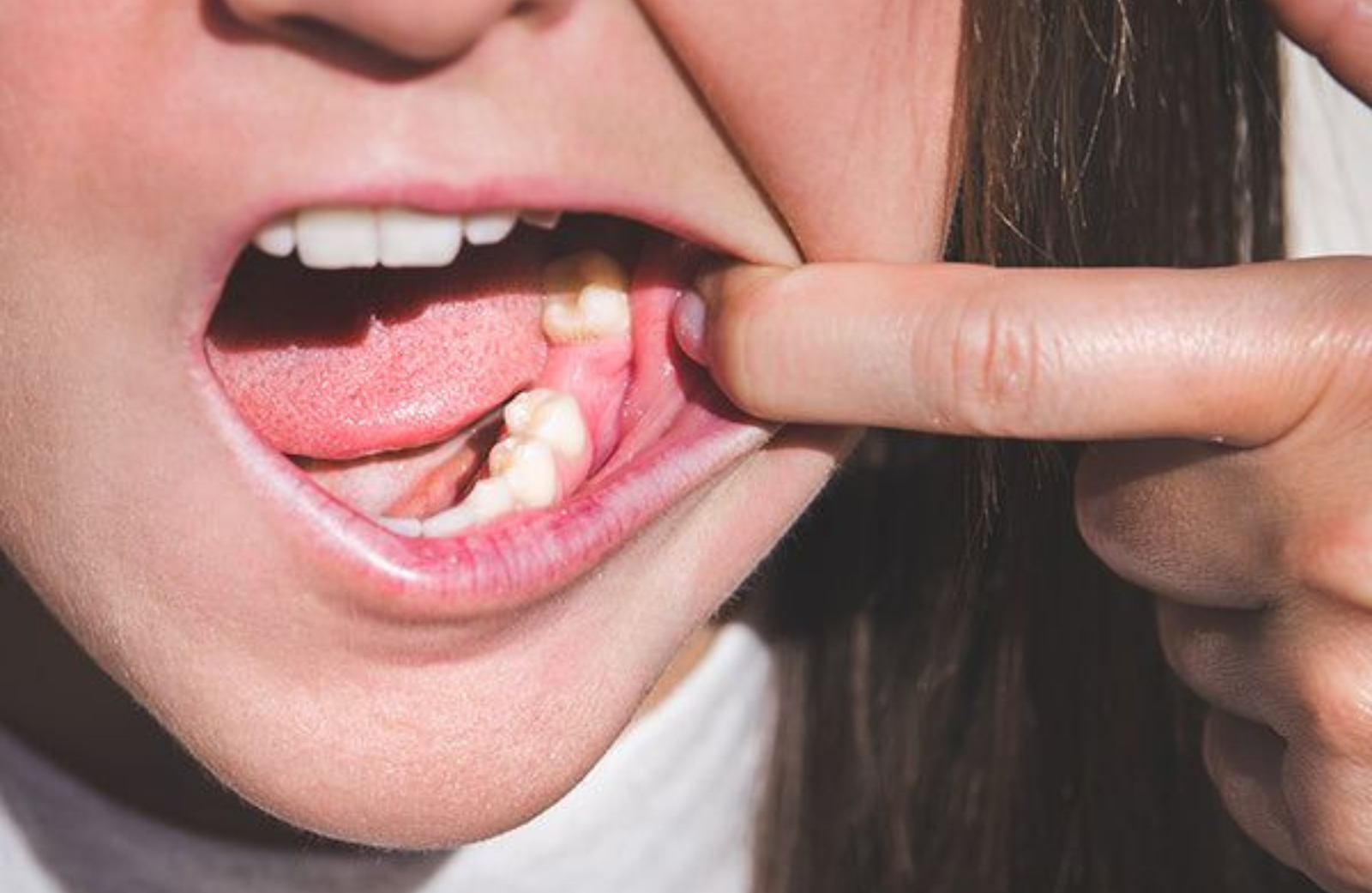
Why Tooth Decay Often Goes Unnoticed
Decay doesn't happen overnight. It's a slow, gradual process that begins when bacteria in your mouth feed on sugars and produce acids that wear down your tooth's enamel — the hard, protective outer layer. Once enamel breaks down, the softer layers underneath become vulnerable.
The tricky part? The earliest stages of this process are often completely painless. You go about your day, brushing normally, and the decay quietly progresses. This is exactly why regular dental checkups matter — your dentist can catch what you can't see or feel. But between checkups, here's what to look out for:
Bacteria feed on sugar → Acids produced → Enamel weakens → Deeper layers exposed → Pain (only at advanced stage)
The 6 Early Warning Signs
Sign 1: Tooth Sensitivity That Comes and Goes
If a sip of cold water, a bite of gulab jamun, or a spoonful of hot rasam makes you wince — even briefly — pay attention. This type of fleeting sensitivity is often the first signal that your enamel is weakening. As enamel thins, the underlying layer (called dentin) becomes exposed. Dentin contains thousands of tiny tubules that lead directly to the tooth's nerve, which is why temperature and sugar suddenly feel sharper than they used to.
Occasional sensitivity from extreme temperatures is normal. But if you're noticing it more frequently, or if it lingers for more than a few seconds, it's worth getting checked.
Sign 2: White Spots on Teeth — An Early Cavity Warning
Run your tongue over your teeth. Notice anything slightly rough near the gumline? Or spot a dull, whitish patch that doesn't go away? These white spots are one of the earliest visible signs of tooth decay — a stage called demineralisation, where the enamel begins losing its mineral content.
At this point, the enamel hasn't actually broken down yet — which means this stage is still reversible with fluoride treatment and improved oral hygiene. Most people mistake these spots for staining from coffee or tea. The difference: stains can be polished off. White spots from demineralisation stay put.
Sign 3: Dark Spots or Discolouration on Your Teeth
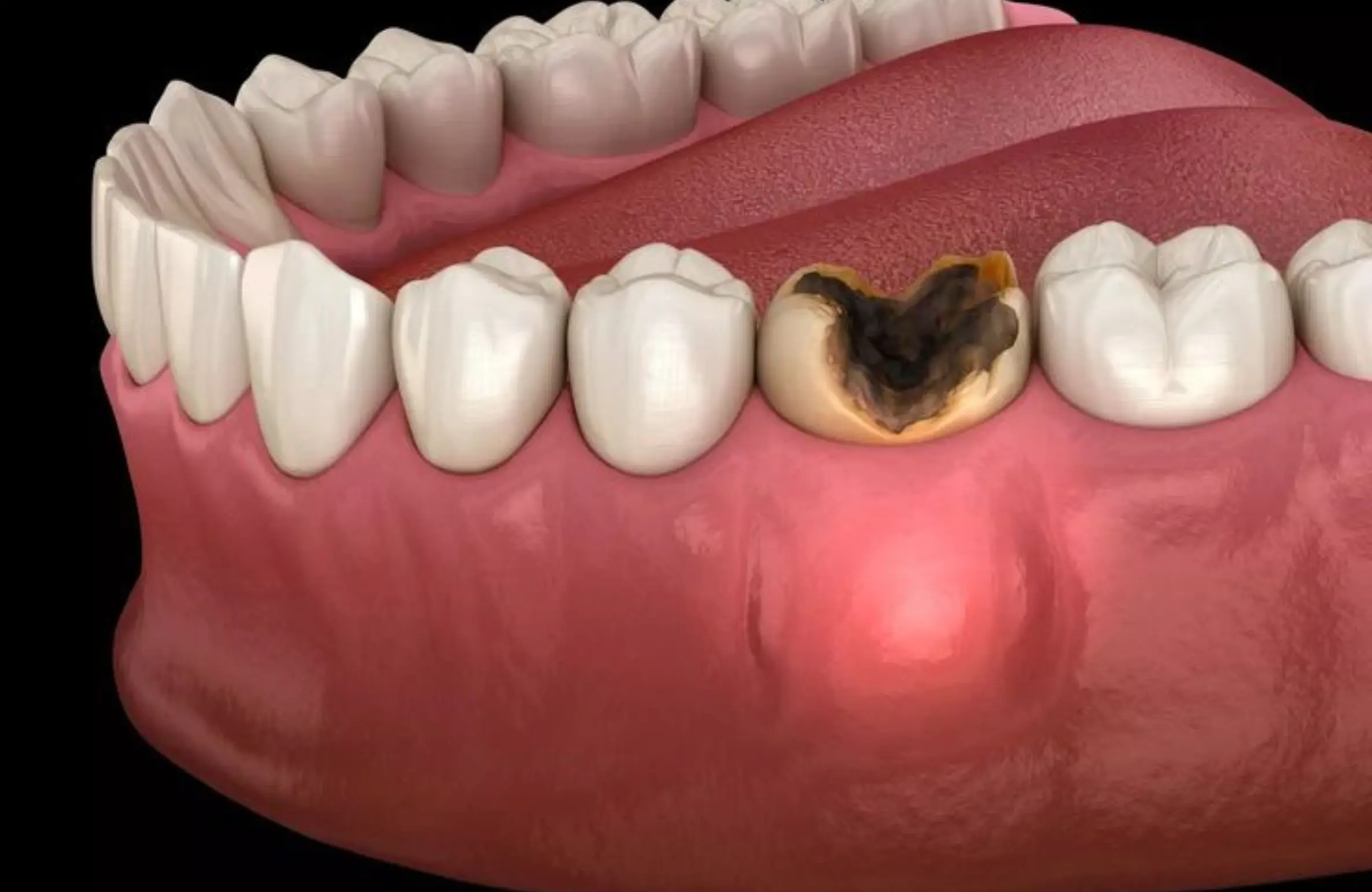
As decay progresses, white spots can darken — turning brown or black. These spots appear most commonly on the chewing surfaces, between teeth, or near the gumline. Not every dark spot is decayed (coffee staining is real), but a spot that doesn't respond to brushing, sits on the enamel surface rather than on top of it, or appears to be growing deserves professional attention.
At this stage, decay has penetrated deeper into the tooth structure.
Sign 4: Persistent Bad Breath That Won't Go Away
You've brushed, flossed, used mouthwash — and still notice an unpleasant taste or odour by midday. Persistent bad breath that doesn't resolve with good oral hygiene is often a sign of bacterial activity in a decayed area of a tooth. The bacteria that cause cavities produce foul-smelling compounds as a byproduct. Similarly, a lingering bitter or acidic taste in the mouth can indicate active decay.
This is especially worth noting if you already have a solid oral hygiene routine and can't explain the odour.
Sign 5: A Mild Toothache You Keep Ignoring
Not the throbbing, keep-you-up-at-night pain that comes later. In the early stages, decay can cause a dull ache or slight pressure that appears when you bite down, chew on one side, or eat something very sweet. It may last a minute, then fade. You might notice it only occasionally — which makes it easy to dismiss as a "minor thing."
But intermittent discomfort during chewing is often the first sign that decay has moved beyond the enamel and is beginning to affect the dentin. Acting at this stage can prevent the need for a root canal later.
Sign 6: Rough Texture or a Pit You Can Feel on Your Tooth
This one is easy to check yourself. Run your tongue slowly across your teeth. Healthy enamel feels smooth. If you notice a rough patch, a sticky area, or a tiny dip or pit in a tooth — especially on a molar — that's your cue. These texture changes form as enamel erodes. That tiny pit you can feel is where decay has created a structural opening in the tooth.
Once you can physically feel a cavity, it has progressed past the very early stage — but it's still very treatable.
What Happens If You Ignore These Signs?
Early decay that isn't treated doesn't stay early. It moves inward — from enamel to dentin to the pulp (the nerve and blood vessels at the centre of your tooth). Once it reaches the pulp, you're looking at a root canal. If the infection spreads to the surrounding bone and tissue, extraction may be the only option.
Sensitivity, white spot or mild discomfort — often ignored.
Discolouration, pit or persistent bad breath becomes noticeable.
Decay reaches dentin; toothaches become regular and harder to ignore.
Pulp infection — root canal or extraction required; costly and complex.
Breaking that cycle early is always the better choice — for your dental health and your pocket.
Who Is at Higher Risk?
While tooth decay can affect anyone, certain factors increase the likelihood:
- Frequent consumption of sugary or acidic foods and drinks
- Dry mouth (a side effect of many medications)
- Poor oral hygiene habits, especially skipping flossing
- Infrequent dental visits
- Children with developing teeth and adults with gum recession
- Smokers or tobacco users
- People managing conditions like diabetes
Decay Stage vs. Treatment Required
| Decay Stage | What's Happening | Treatment Needed |
|---|---|---|
| Demineralisation | Enamel losing minerals; white spots visible | Fluoride treatment — no drilling |
| Enamel decay | Enamel begins to break down | Simple composite filling |
| Dentin decay | Decay reaches inner layer; sensitivity increases | Filling or inlay |
| Pulp involvement | Decay reaches nerve; pain and infection | Root canal treatment |
| Abscess / Advanced | Infection spreads to bone and tissue | Extraction may be necessary |
The Simple Habit That Catches Decay Early
Professional dental cleanings and checkups every six months aren't just about getting your teeth cleaned — they're your best early warning system. During a checkup, your dentist uses digital X-rays and clinical examination to spot decay that isn't visible to the naked eye or even perceptible to you yet.
At Core Dental Hub in Kokapet, our team includes specialists across every area of dentistry — so whether it's a routine checkup, a sensitivity concern, or something more involved, you're in the right hands from the start. With 15+ years of experience and advanced diagnostic technology including digital X-rays and 3D imaging, we catch problems early — which almost always means simpler, more affordable treatment for you.
- Digital X-rays to detect hidden decay between teeth
- 3D imaging for precise diagnosis and treatment planning
- Specialists across all areas of dentistry under one roof
- 15+ years of clinical experience
- Early detection means simpler, more affordable treatment
Frequently Asked Questions
Can tooth decay be reversed?
Why does my tooth hurt only sometimes?
How often should I get a dental checkup?
Does sensitivity always mean I have a cavity?
Is tooth decay painful in its early stages?
Key Takeaways
- Tooth decay rarely announces itself with pain in early stages — subtle signs come first.
- Sensitivity, white spots, discolouration, bad breath, mild aches and rough texture are your early warning system.
- Demineralisation is the only reversible stage — act at this point and avoid drilling entirely.
- Ignoring early signs leads to more complex and costly treatment down the line.
- Biannual checkups with digital X-rays are the most reliable way to catch decay early.
- Certain lifestyle and health factors increase decay risk — be extra proactive if these apply to you.
Conclusion
Tooth decay is one of the most preventable dental conditions — yet it remains one of the most common, precisely because its early signs are so easy to dismiss. A fleeting twinge, a faint white patch, a momentary bad taste: these aren't nothing. They're your teeth asking for attention before a small problem becomes a large one.
Don't wait for pain to make the appointment. Book your dental checkup at Core Dental Hub today — early detection means simpler, more affordable treatment for you.
Read More - Cost of Common Dental Treatments in Hyderabad