

Sensitive Teeth: Reasons for Pain & How to Get Better
Have you had a drink or eaten something cold and felt a sudden sharp pain or sensation in your mouth? Are you someone who has avoided ice cream and a steaming hot cup of coffee for a very long time because of this kind of discomfort?
If so, you're not the only one who experiences tooth sensitivity throughout their day-to-day routine. Tooth sensitivity is one of the most prevalent problems we find at Core Dental Hub, and it generally becomes more common as you age. Many people try to ignore it due to its perceived minor impact on their life, but tooth sensitivity can be a warning sign from your body that you need to see a dentist for an actual dental problem.

What Causes Tooth Sensitivity?
"Why are my teeth suddenly so sensitive?" is one of the most common questions we receive. For individual patients, obviously, there isn't one simple answer. Teeth naturally have a strong outer enamel coating to protect them from damage and decay. Beneath the enamel is dentin, which contains tiny channels connecting the nerves inside each tooth.
When enamel becomes thin and weak, and/or the teeth's roots begin to show due to gum recession, the result is a tendency for the nerve to respond to stimuli. This includes temperature changes (hot/cold), sweet foods, biting down or putting pressure on your tooth, which can all create that sudden sensation.
1. Erosion of Enamel
Enamel is the hardest material that exists in human bodies, but it gradually wears away over time. Common reasons for enamel to be worn down may be:
- Consuming acidic foods and drinks on a regular basis.
- Brushing teeth too aggressively or using a toothbrush with bristles that are too stiff.
- Clenching or grinding teeth while sleeping.
- Reflux, or other digestive problems.
Once enamel has been worn away, it will not reform on its own. Thus, seeing a dentist early and preventing future problems will help prevent the loss of your tooth enamel.
2. Gum Recession
Healthy gums provide protection for the roots of teeth. If the gums recede from the surface of the teeth, this will expose the roots and will increase the sensitivity of the teeth. Sensitivity and gum recession are typically associated with:
- Gum disease
- Brushing too aggressively
- Poor oral hygiene
- Natural aging
A professional examination can determine how much gum recession has occurred and offer recommendations for treatment.
3. Cavities and Tooth Deterioration
Tooth sensitivity is an early alert for your tooth's health. When you eat sugary foods or cold items, you may feel tenderness in your teeth. This is an indicator that you have developed a cavity. If you do not treat it, this small cavity will develop into a more severe stage with more discomfort. By having regular dental visits, you can prevent developing cavities early on and treat simple decay before it becomes a complex problem.
4. Bruxism
Bruxism usually occurs when you're unknowingly grinding your teeth while sleeping. If you are waking up with soreness in the jaw, headaches, or a pressure-like feeling on the teeth, then you probably have been grinding your teeth as well. Over time, grinding can cause significant wear on the enamel of the tooth and expose the softer parts of the tooth. At Core Dental Hub, we assess your bite, check for signs of grinding, and provide tailored recommendations to help protect your smile.
5. Post Teeth Whitening Tooth Sensitivity
Having a white and bright smile can give you a boost of confidence. However, some patients report that their teeth are temporarily sensitive after their teeth whitening procedure. The sensitivity will usually dissipate and improve in just a few days. If you are experiencing severe discomfort or if the sensitivity remains for an extended period of time, then you need to visit a dentist specializing in sensitive teeth to evaluate the situation properly.
6. Broken Teeth and/or Old Fillings
If you have a small crack in your tooth or an old filling that does not fit properly anymore, the inner layers of the tooth may be exposed. As a result, you may experience:
- Extreme pain while chewing
- Increased sensitivity to hot/cold foods
- Pain while biting down
Early intervention will help to prevent additional damage from occurring and keep your natural tooth intact.
Foods and Beverages That Increase Sensitivities in Teeth
While for some patients, they may realize that their sensitivity occurs only during and/or after eating or drinking. Some common foods/beverages that initiate sensitivity include the following:
Ice Cream
Chilled beverages
Cold water
Coffee
Tea
Soups
Chocolate
Desserts
Candy
Citrus Fruits
Carbonated Beverages
Pickles (vinegar)
If you are having any kind of tooth sensitivity to cold foods or hot beverages, do not ignore it. You can limit the use of these foods/beverages for some short-term relief, but these strategies won't help identify the actual problem with the sensitivity.
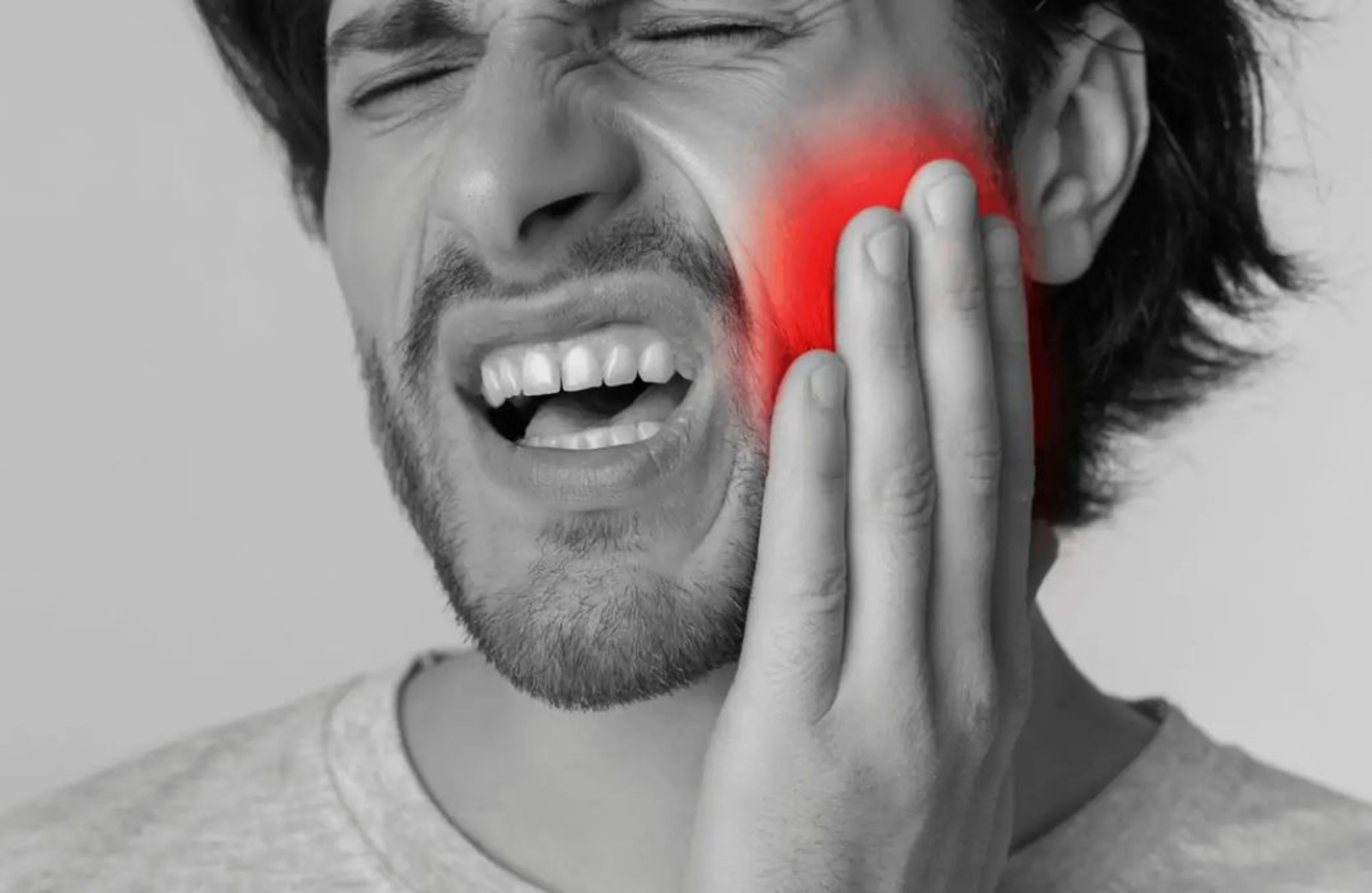
Sensitive Tooth Treatment Options
Sensitive teeth can be treated by a variety of methods. Many people will turn to the internet for recommendations on what to do for sensitive teeth and may try switching their toothpaste or avoiding certain foods. These changes may help relieve sensitivity in the short term, but in order to achieve a long-term solution, you need to know the specific cause of your sensitivity.
At Core Dental Hub, we believe the process of successfully treating sensitive teeth starts with a thorough diagnosis of your particular situation. Each smile is unique so there's no same treatment plan. The following list contains some of the most common sensitive tooth treatments suggested by our dentists:
When your sensitivity is more severe, your dentist might prescribe a toothpaste specifically designed to reduce your level of sensitivity. These specialized toothpastes can assist in blocking pain reception from the nerves to the surface of the tooth by blocking pain receptors from communicating to the nerve ending below the tooth surface.
A fluoride treatment done by a professional will enhance the strength of your tooth enamel so that those teeth will be less sensitive for you. A fluoride treatment is quick and easy for you and will protect your teeth in the future.
Dental bonding may be suggested for sensitivity due to dentin exposure, enamel loss, or gum recession. The area of the tooth is covered by tooth-coloured resin to shield the tooth and reduce existing sensitivity.
To maintain both your smile and your oral health, it is important to have healthy gums. If you have sensitivity due to recession or the beginning of gum disease, your dentist will provide you with the necessary gum care treatment to improve your condition and prevent additional damage.
When you have sensitivity in one tooth, it may be a sign that you have a cavity, broken filling, or a fracture in your tooth. If this is the case, your tooth will need to be repaired to relieve any discomfort or protect it.
Most patients do not know that they grind their teeth while they are sleeping. This habit over time will erode the enamel and cause an increase in sensitivity. Depending on how advanced your condition is, our dentists can prescribe custom-made night guards and other ways to protect your teeth from further enamel damage.
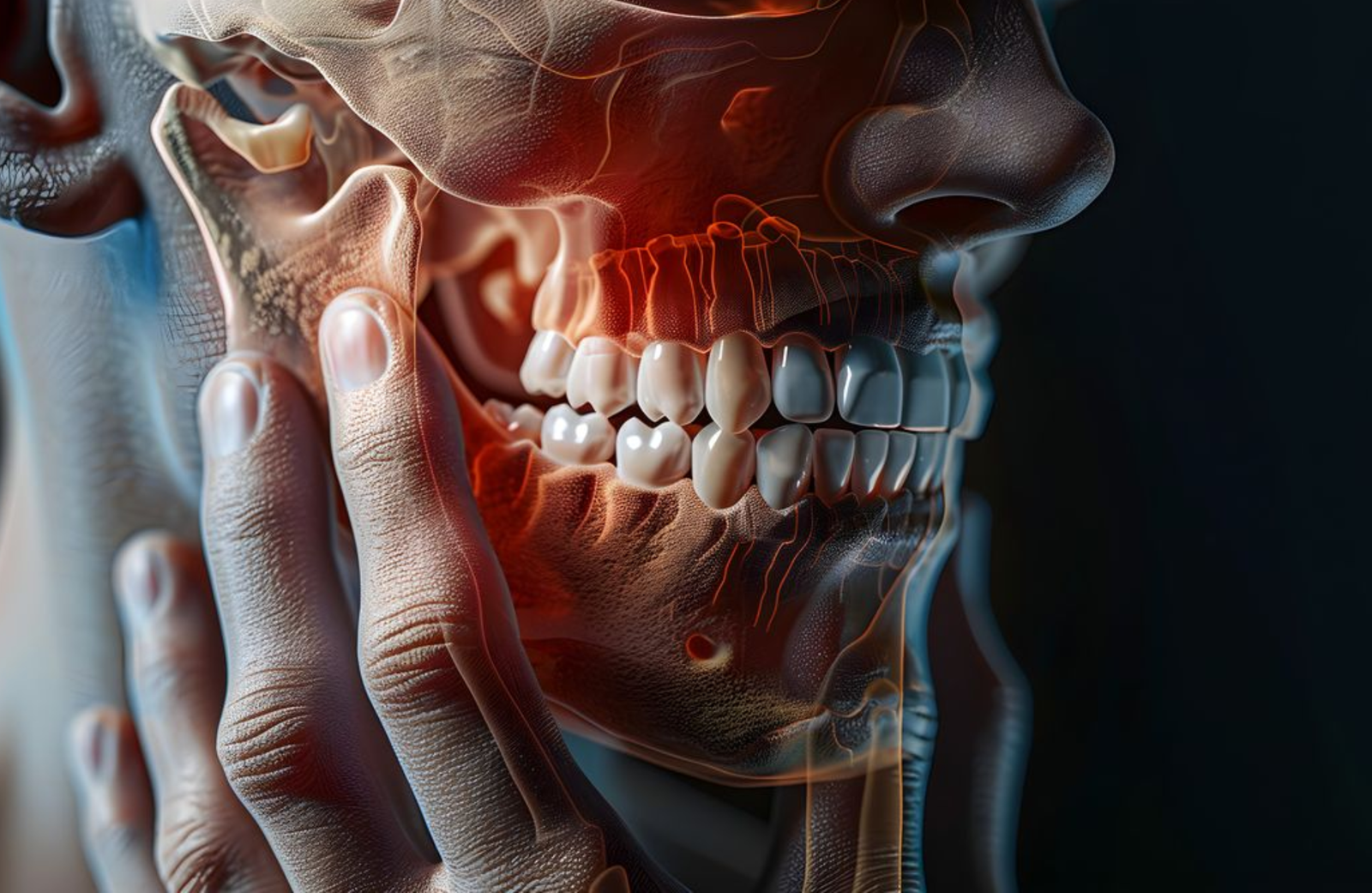
How to Stop Tooth Sensitivity and Protect Your Smile
The easiest way to address tooth sensitivity issues is to stop them before they become a major problem. A few simple daily routines can greatly reduce the amount of sensitivity in your mouth:
- Keep Your Mouth Clean: Brushing twice daily and flossing frequently will help remove plaque and reduce your risk for developing gum disease and/or cavities.
- Correct Brushing Technique: Brushing with excessive force does not guarantee a better job; using a gentle touch with a soft bristle brush can help preserve your enamel and gum tissue from unnecessary wear.
- Check For Acidic Foods & Drinks: Regularly consuming pop, citrus fruit or acidic food may increase your chances of enamel loss. Rinsing your mouth out with water after consuming an acidic item will help protect your teeth along with an overall good oral hygiene regimen.
- Early Symptoms Should Not be Avoided: An earlier sensitive area may later develop into a larger underlying dental problem. Regularly scheduled dental examinations can assist in catching potential issues at an earlier stage, which will allow for more reasonable preventive measures until there are signs of greater discomfort.
When to see a dentist for sensitive teeth in Kokapet?
A few episodes of sensitivity might not require you to go to the dentist for treatment. However, if you are repeatedly experiencing discomfort with your teeth, they need to be addressed by a professional.
If you have experienced any of the following symptoms you should visit Core Dental Hub:
- Sensitivity that lasts for more than a few days or keeps coming back.
- Sensitivity during hot, cold, sweet, or acidic food and drink.
- Sensitivity of only one tooth.
- Pain while chewing.
- Bleeding, swollen, or receding gums.
- Sensitivity that suddenly develops without a known cause.
- Sustained discomfort after a teeth-whitening procedure.
By seeking help when needed, you can help prevent small dental problems from evolving into big ones and receive comprehensive treatments.